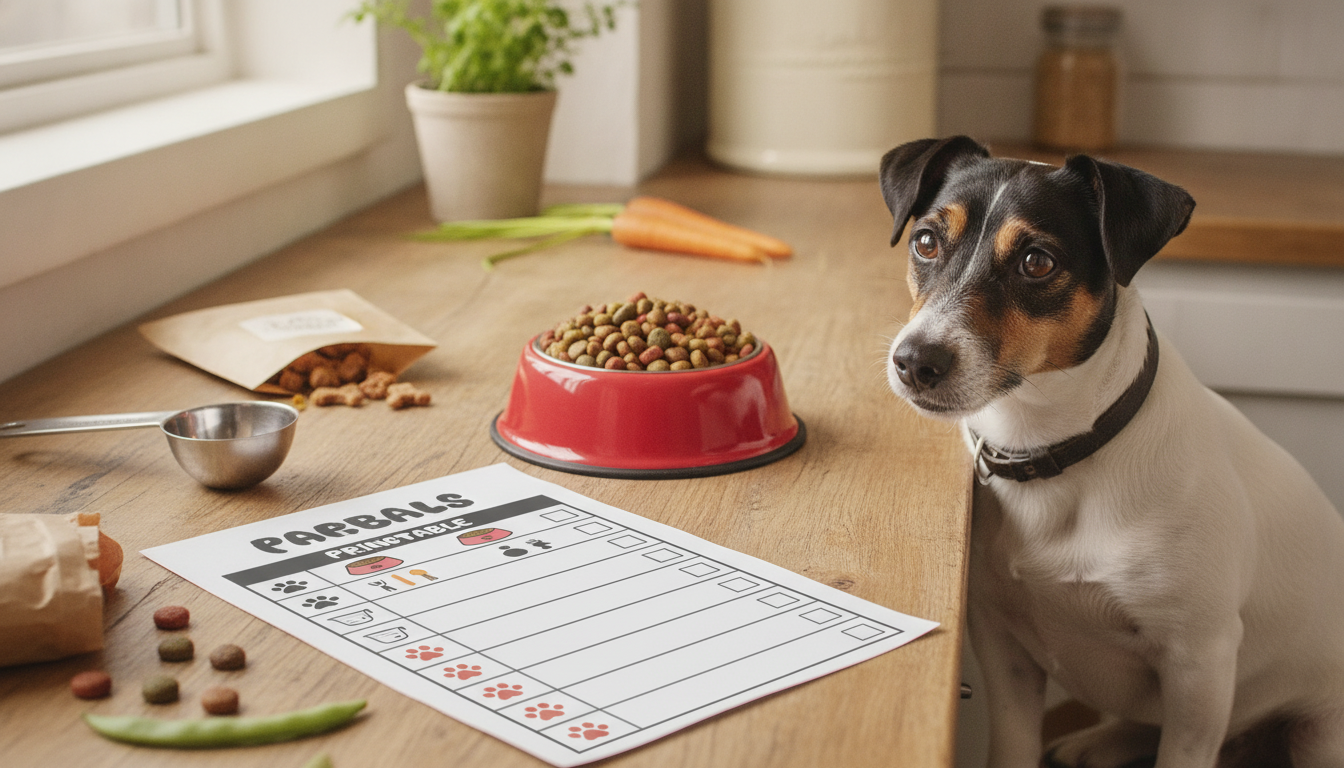
Portion size is one of the fastest ways to influence a dog’s weight, energy, digestion, and long-term health. A simple, repeatable checklist helps turn “about a cup” into consistent, measured meals that match age, activity level, and body condition—without guesswork or overfeeding.
Dogs thrive on consistency, and that includes the amount of food that lands in the bowl each day. Small daily “extras” add up quickly; even minor overfeeding can shift body condition over time, especially for indoor dogs or breeds that gain easily.
Stable portions also tend to support predictable stool quality, fewer stomach upsets, and steadier energy. When meals are measured the same way every day, it becomes much easier to spot appetite changes that may signal illness—because you’ll know what “normal” looks like.
Whenever possible, measure by weight (grams) instead of eyeballing or relying on a scoop. Kibble shape, density, and even how it settles in a container can change how many calories fit in “one cup.” For broader nutrition guidance and how to assess overall diet quality, reputable references include the WSAVA Global Nutrition Guidelines and the AAHA Nutritional Assessment Guidelines.
Before changing the amount you feed, anchor your portion plan to four core inputs:
| Input | What to check | Why it matters |
|---|---|---|
| Body condition score | Ribs, waist, abdominal tuck | Portion changes should follow condition, not just the bag |
| Treat intake | Number, size, daily calories | Treats can quietly exceed the target if not counted |
| Meal frequency | 1–2 meals for many adults; more for puppies | Smaller, consistent meals can help digestion and training |
| Measuring method | Kitchen scale preferred; level measuring cup next | Reduces daily variance and helps troubleshooting |
A portion plan works best when it’s frictionless. The goal is to decide once, then repeat—so each meal is consistent even on busy days or when multiple people help with care.
If a ready-to-print format helps you stay consistent, Paws-on Checklist for Perfect Portions is designed for simple daily boxes: measured meal amount, treat budget, and quick health notes.
Daily weight can bounce from hydration, bowel movements, and timing—so use a short review window instead of reacting to single weigh-ins. For most adult dogs, a 2–3 week check-in is enough to see a real trend.
For dogs on specialized diets or owners weighing pros/cons of different formulations, it’s also worth staying informed on current guidance such as the FDA’s updates on diet-associated DCM: FDA: DCM and Pet Food Information.
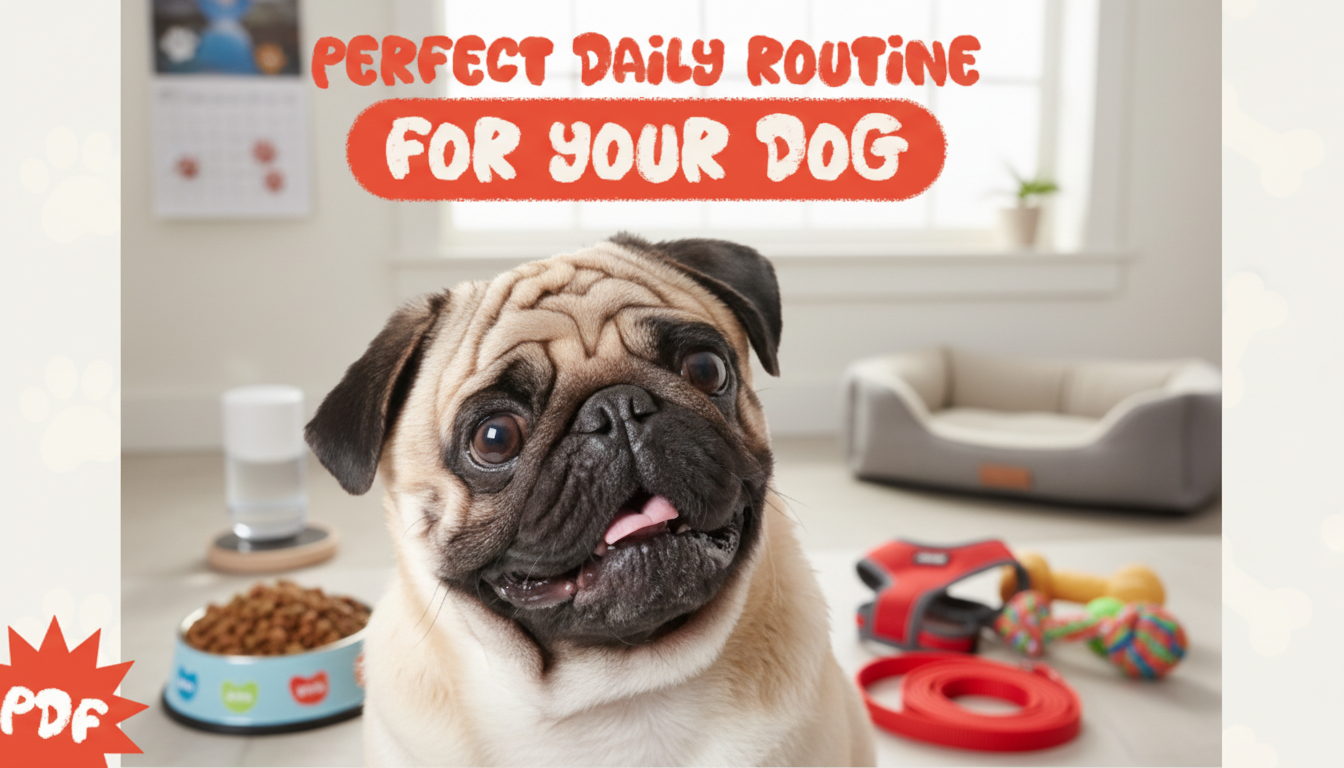
To make the routine easier for families and pet sitters, pair your portion checklist with a consistent daily schedule. Paws & Plans: Building the Perfect Daily Routine for Your Dog is a practical companion for aligning feeding times with potty breaks, walks, training, and medication reminders.
Measuring by weight (grams) is usually more consistent because it avoids differences in scoop size and kibble density. A simple kitchen scale makes day-to-day portions repeatable, and writing the target grams on your checklist reduces guesswork.
Many adult dogs do well with 1–2 meals per day, while puppies typically need more frequent meals to match growth needs. The best schedule can also depend on activity level, training routine, and any medical guidance from your veterinarian.
Set a daily treat budget, use smaller pieces, and count treats as part of the day’s total intake. For training-heavy days, reserving a portion of the measured meal as rewards helps prevent accidental overfeeding.











Leave a comment